
Understanding Freight Class: What It Is and How It's Set
Sep 28, 2026
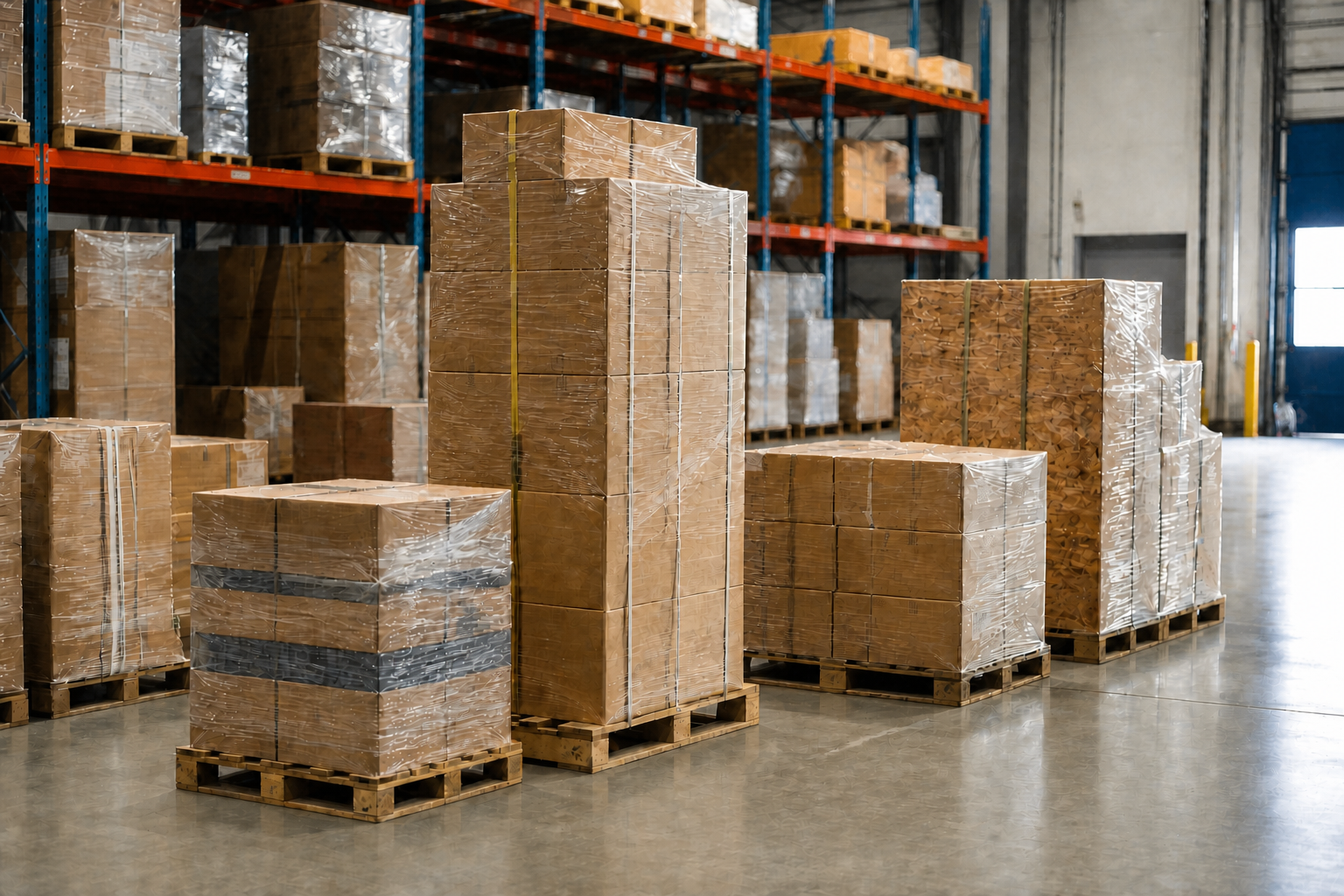
For shippers managing less-than-truckload (LTL) freight, few concepts have a greater impact on cost predictability than freight class. Yet it remains one of the most frequently misunderstood elements of a shipment, and misclassification is among the most common causes of unexpected charges on a freight invoice. This guide explains what freight class is, how it is determined, and why it matters to your bottom line.
What Freight Class Is
Freight class is a standardized system used to categorize commodities moving via LTL shipping. It provides carriers, brokers, and shippers with a common language for describing goods, which in turn supports consistent and comparable pricing across the industry.
The classification framework is governed by the National Motor Freight Classification (NMFC), maintained by the National Motor Freight Traffic Association (NMFTA). The NMFC assigns commodities to one of 18 possible classes, ranging from Class 50 to Class 500. As a general rule, lower classes represent dense, durable, and easily handled freight and carry lower rates, while higher classes represent lighter, bulkier, or more fragile freight and carry higher rates.
How Carriers Determine Freight Class
Classification is not arbitrary. Under the NMFC system, freight class is determined by evaluating a commodity against four primary characteristics.
1. Density
Density — the weight of an item relative to the space it occupies — is often the single most influential factor. It is calculated by dividing the total weight of the shipment (in pounds) by its total cubic feet. A heavier item that occupies less space generally falls into a lower, less expensive class, while a light item that consumes significant trailer space falls into a higher class.
2. Handling
Handling considers how difficult a commodity is to load, unload, and move within the freight network. Items that are oddly shaped, fragile, hazardous, or require special equipment or care can be assigned to a higher class to account for the additional attention they require.
3. Stowability
Stowability reflects how easily a commodity can be positioned alongside other freight in a trailer. Goods that are hazardous, exceptionally long, or otherwise difficult to combine with other shipments may be assigned a higher class because they reduce the usable capacity of the equipment.
4. Liability
Liability addresses the risk associated with transporting the commodity, including the likelihood of theft, damage, or damage to adjacent freight. Higher-value or higher-risk goods typically warrant a higher classification.
Why Freight Class Matters to Your Costs and Risk
Accurate classification is directly tied to cost predictability. When a commodity is classified correctly on the bill of lading, the quoted rate is far more likely to match the final invoice. When it is not, carriers may re-classify or re-weigh the shipment, resulting in adjustments — often called reweigh and reclassification charges — that were not anticipated at the time of booking.
These surprises are avoidable. Providing precise weights, dimensions, and commodity descriptions at the outset allows for an accurate class determination and a more reliable quote. For shippers focused on avoiding unexpected line items, disciplined classification is one of the most effective controls available.
It is also worth noting that the broader freight environment continues to evolve. The NMFTA has advanced initiatives to modernize and simplify the classification system, with a greater emphasis on density-based standards. Shippers should stay informed of these developments through the NMFTA's ClassIT and NMFC resources to understand how changes may affect their commodities.
How OTT Supports Accurate Classification
On Time Trucking (OTT), operating under the RK Logistics Group broker license, works with shippers across the New York, New Jersey, and Connecticut tri-state area to help ensure freight is described and classified accurately before it moves. Our commitment to consistent, documented processes is reflected in our ISO 9001:2015 certification, which supports quality and repeatability across our operations.
We encourage shippers to treat classification as a collaborative step rather than an afterthought. Confirming the correct NMFC item number, verifying dimensions and weight, and flagging any special handling requirements early all contribute to fewer billing adjustments and more dependable transit planning.
Practical Takeaway
Freight class is the foundation of LTL pricing, and it is determined by density, handling, stowability, and liability under the NMFC system. To protect your cost predictability and reduce the risk of invoice surprises, measure and weigh your freight accurately, confirm the correct commodity description and NMFC item number, and communicate any special requirements at the time of booking. When classification is handled correctly from the start, the rate you plan for is far more likely to be the rate you pay.